
The Truth About Intermittent Fasting: Benefits and Risks
Intermittent fasting (IF) has become one of the most popular health trends worldwide. But what does the science actually say? Let's separate fact from fiction.
What Is Intermittent Fasting?
Intermittent fasting is not a diet but an eating pattern. It cycles between periods of eating and fasting. The most popular methods include:
- 16:8 Method — Fast for 16 hours, eat within an 8-hour window (most popular)
- 5:2 Method — Eat normally 5 days, restrict to 500-600 calories on 2 non-consecutive days
- Eat-Stop-Eat — One or two 24-hour fasts per week
- OMAD — One Meal A Day
Science-Backed Benefits
- Weight loss — Reduces calorie intake naturally and increases fat burning
- Improved insulin sensitivity — Can reduce fasting insulin by 20-31%
- Cellular repair — Triggers autophagy, the body's cellular cleanup process
- Brain health — Increases BDNF, supporting new nerve cell growth
- Reduced inflammation — Multiple studies show decreases in inflammatory markers
- Heart health — May improve cholesterol, blood pressure, and triglycerides
Potential Risks and Side Effects
- Initial hunger, irritability, and difficulty concentrating
- Overeating during eating windows
- Potential muscle loss if protein intake is inadequate
- May trigger disordered eating in susceptible individuals
- Hormonal disruptions in some women
Who Should NOT Do Intermittent Fasting?
- Pregnant or breastfeeding women
- People with a history of eating disorders
- Children and teenagers
- People with diabetes (without medical supervision)
- Those who are underweight
How to Start Safely
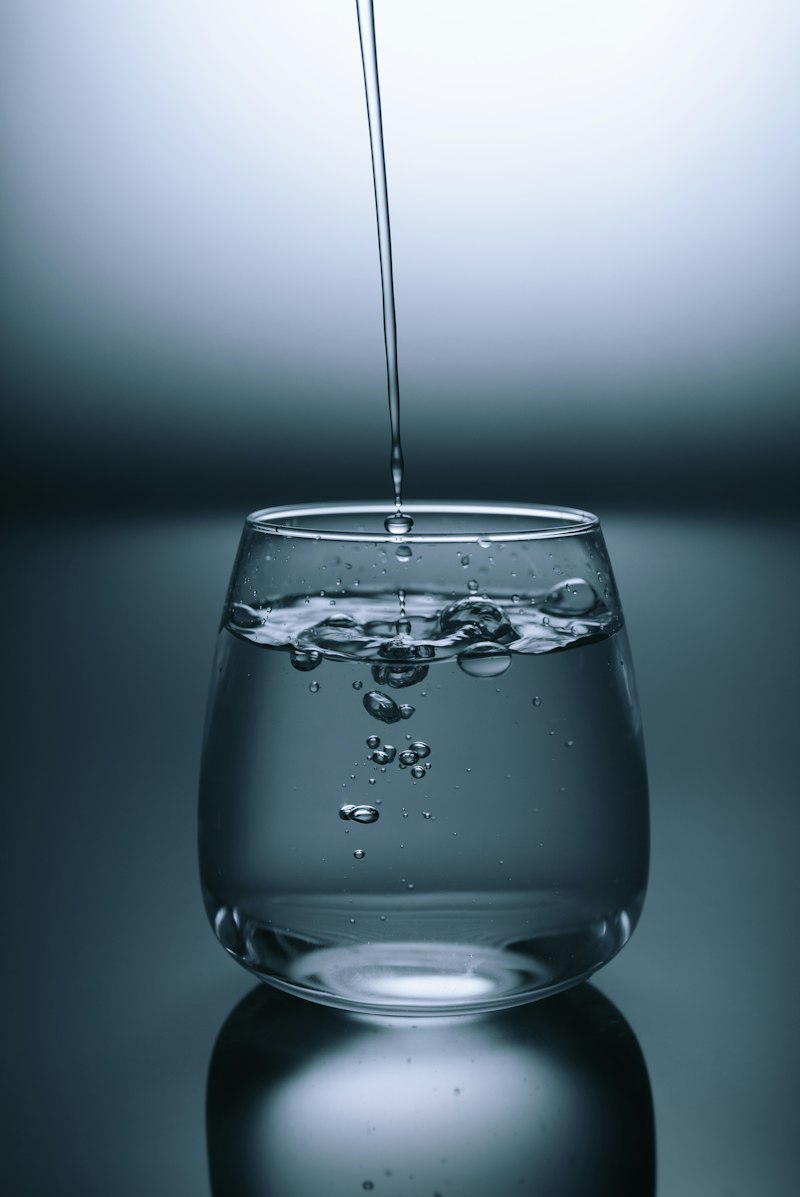
If you're new to IF, start with the 16:8 method. Simply skip breakfast and eat your first meal at noon, finishing dinner by 8 PM. Stay well-hydrated during fasting periods — water, black coffee, and herbal tea are allowed.
Intermittent fasting is a tool, not a magic solution. It works best when combined with a balanced diet and regular exercise. Always consult a healthcare professional before starting any new eating pattern.

This is exactly what I needed. Simple, practical, and science-backed advice. Bookmarked!
As a fitness enthusiast, I find this information very valuable. Would appreciate more sports nutrition content.
This is incredibly helpful! I've been struggling with my diet and this gives me a clear roadmap. Thank you!
Leave a Comment